
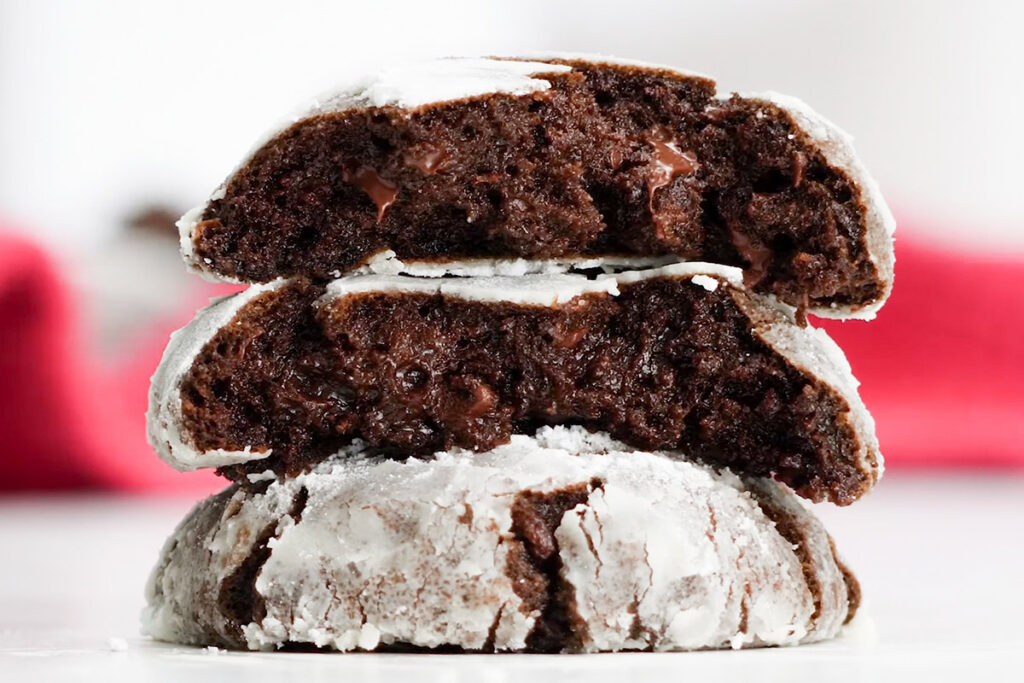
Ask any baker what separates an average chocolate cake from an unforgettable one, and the answer often comes down to a single ingredient hiding in plain sight: the cocoa powder. Flour, sugar, and eggs do the heavy lifting, but cocoa powder is what gives a bakery’s chocolate products their signature flavor, color, and texture. Choosing the right cocoa powder for bakery use isn’t a small detail — it’s the difference between “good” and “the reason customers come back.”
Natural vs. Alkalized: The Foundation of Every Bakery Recipe
This is the first decision every bakery has to get right, because it affects both taste and chemistry.
- Natural cocoa powder is acidic and delivers a brighter, more intense chocolate flavor. It reacts with baking soda, which is why it shows up in classic recipes built around that leavening agent.
- Alkalized (Dutch-process) cocoa powder is milder and smoother, with a darker color that bakers love for visual appeal. It pairs with baking powder instead.
Bakeries producing at volume need to standardize on the right type for each recipe — inconsistent swaps between the two are a common, avoidable cause of dense cakes or flat cookies.
Fat Content Shapes Texture and Richness
Cocoa powder’s fat content — often ranging from around 10–12% on the lower end to 20–24% on the higher end — plays a direct role in mouthfeel. Higher-fat cocoa powder brings richer, smoother results, which matters in premium cakes, ganaches, and fillings. Lower-fat powder works well in everyday baked goods where the recipe already supplies plenty of fat through butter or oil. Matching fat content to the product keeps both flavor and cost in balance.
Consistency Matters More at Bakery Scale
A home baker can adjust on the fly if a batch of cocoa tastes slightly different. A bakery producing hundreds of units a day can’t. Bakery-grade cocoa powder needs to deliver the same color, flavor, and solubility batch after batch — inconsistency shows up fast in complaints about a “recipe that used to taste better.”
Look for a supplier that can guarantee consistent specs, fine and even particle size for smooth mixing, and reliable supply even when cocoa markets get volatile.
Where Cocoa Powder Shines in Bakery Products
Cocoa powder’s role shifts depending on what’s coming out of the oven:
- Cakes and cupcakes: Flavor intensity and color consistency are everything.
- Cookies and brownies: A balance of flavor and fudginess, often favoring natural cocoa for that classic bakery taste.
- Fillings and frostings: Higher-fat cocoa powder for a smoother, richer finish.
- Breads and pastries with cocoa accents: A milder, well-blended alkalized powder often works best so it doesn’t overpower other flavors.
Bringing It All Together
Great bakery results start with the basics: the right natural-vs-alkalized choice, fat content matched to the product, and a supplier who delivers consistent quality order after order. Get those fundamentals right, and everything else — creative flavors, seasonal specials, signature recipes — has a solid foundation to build on.
Looking for bakery-grade cocoa powder you can count on, batch after batch? Check out majesticocoa.com for cocoa products built for bakeries that need consistent flavor, color, and quality at scale.