
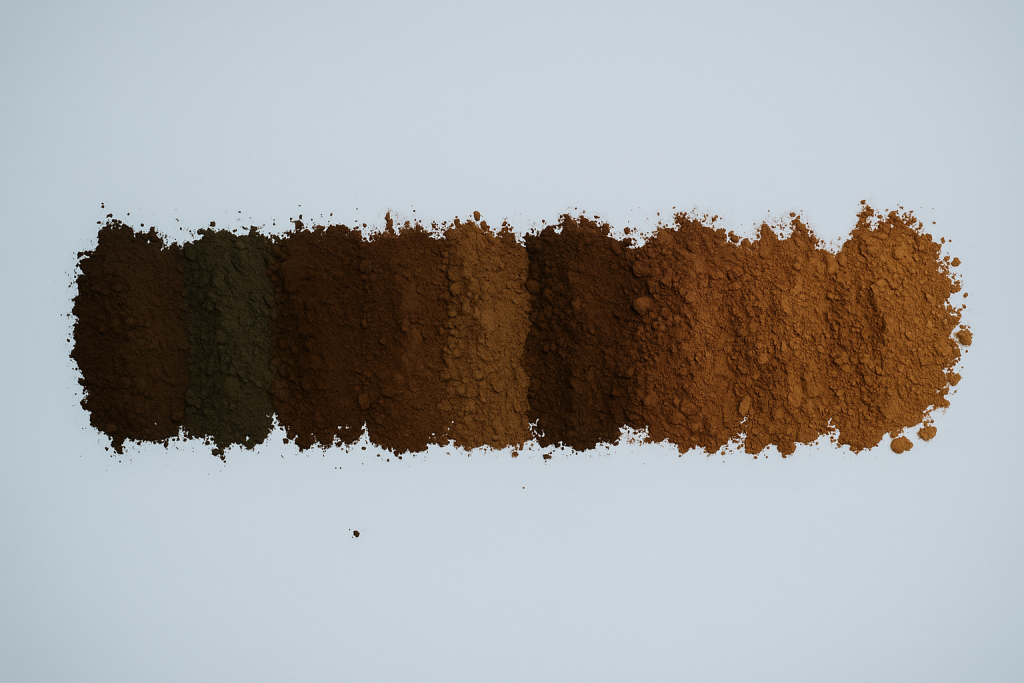
Stand in front of the baking aisle and cocoa powder looks simple: one shelf, a handful of brown boxes. But grab the wrong one and your cake falls flat, your brownies taste off, or your hot chocolate is disappointingly thin. Knowing how to choose the right cocoa powder makes the difference between a good recipe and a great one.
Start With Natural vs. Alkalized
This is the single most important decision, because it affects both flavor and chemistry.
- Natural cocoa powder is acidic and has a brighter, more intense chocolate flavor. It reacts with baking soda, so it’s the right pick for recipes that call for it.
- Alkalized (Dutch-process) cocoa powder is treated to neutralize acidity, giving it a smoother, milder taste and darker color. It pairs with baking powder instead.
If your recipe specifies one or the other, stick with it — swapping them without adjusting the leavening can throw off texture and rise. If a recipe doesn’t specify, natural is usually the safer default for baked goods, while alkalized shines in recipes prizing deep color and mellow flavor, like dark chocolate cakes or cookies.
Check the Fat Content
Cocoa powder isn’t all created equal on the fat front. Higher-fat cocoa powders (sometimes called “high-fat” or closer to 20–24% cocoa butter) tend to taste richer and blend more smoothly into liquids, making them a strong choice for drinking chocolate and ganache. Lower-fat powders (often 10–12%) are lighter and work well in baking where you don’t want extra fat competing with butter or oil already in the recipe.
Think About What You’re Actually Making
Not every cocoa powder needs to be fancy — but matching it to your use case helps:
- Baking (cakes, brownies, cookies): Prioritize flavor and match natural vs. alkalized to your recipe.
- Hot chocolate or drinks: Look for higher fat content and a smoother mouthfeel.
- Frosting or ganache: A high-quality, higher-fat cocoa powder will taste noticeably richer.
- Everyday baking on a budget: A solid mid-range natural cocoa powder will do the job for most home recipes without needing anything premium.
Look at Origin and Processing Quality
Like coffee or chocolate bars, cocoa powder carries flavor notes from where the beans were grown — West African cocoa tends to taste bolder and more classically “chocolatey,” while South American or Southeast Asian origins can bring fruitier or earthier notes. This matters most for recipes where cocoa is the star flavor, like a simple chocolate cake, less so when it’s one ingredient among many.
Also check how finely the powder is milled. A finer, well-processed powder dissolves more evenly and avoids the gritty texture that cheaper, coarser powders can leave behind.
Don’t Skip Freshness
Cocoa powder doesn’t spoil quickly, but it does lose potency over time. Stale cocoa powder tastes flat and dull instead of rich. Check the packaging date if visible, store it in an airtight container away from light and moisture, and give older cocoa a smell test — it should smell deeply chocolatey, not faint or musty.
The Simple Takeaway
Choosing the right cocoa powder comes down to three questions: does your recipe call for natural or alkalized, how much fat do you actually need, and is the powder fresh? Get those three right, and everything else — origin, brand, price — becomes a matter of personal taste rather than a make-or-break decision.
Looking for Cocoa Products from Indonesia?
We supply:
Cocoa Beans | Cocoa Nibs | Cocoa Mass | Cocoa Butter | Cocoa Powder
Let’s Start the Cocoa Journey
👉 Contact us via WhatsApp to discuss specifications, availability, MOQ, and current pricing.
From Indonesian cocoa to your next product — let’s build the journey together.